- 0
- 1,014 word
Yes, Texas is generally considered a stop-and-identify state, but the rule is more limited than simply saying police can demand identification from anyone they stop.
Texas law allows an officer to require a person to provide their name, residence address, and date of birth in certain circumstances. The legal requirement is connected to a lawful arrest, rather than every ordinary investigative detention.
What Does Texas Law Say?
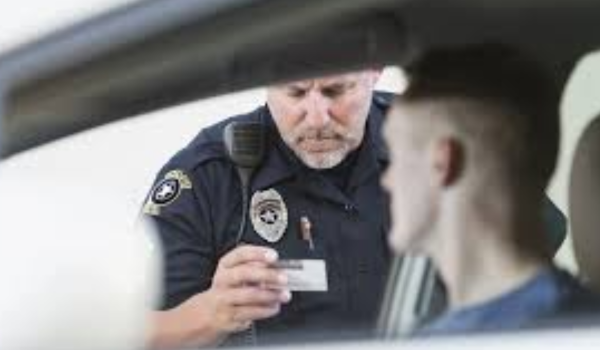
Texas Penal Code § 38.02 addresses failure to identify.
Under the statute, a person commits an offense if they intentionally refuse to give their name, residence address, or date of birth to a peace officer who has:
- Lawfully arrested the person; or
- Lawfully detained the person and the officer requested the information.
However, there are important distinctions within the statute, including different rules concerning whether the person is arrested or merely detained.
Does Texas Police Need Reasonable Suspicion to Detain Someone?
Generally, yes.
For an investigative detention, police generally need reasonable suspicion that criminal activity has occurred, is occurring, or is about to occur.
A police officer cannot simply detain someone without a lawful basis and then use the stop-and-identify law to create a reason for the detention.
Do You Have to Show Your Physical ID?
Not necessarily.
Texas Penal Code § 38.02 focuses on providing identifying information such as:
- Name
- Residence address
- Date of birth
The statute does not simply state that every person must hand over a physical identification card whenever an officer asks.
However, drivers have separate obligations under Texas transportation laws.
What If You Are Driving?
Traffic stops are different.
A person operating a motor vehicle in Texas is generally required to have and provide a driver’s license and other required documents during a lawful traffic stop.
Therefore, if you are driving, you should not treat Texas’s general stop-and-identify rules as your only identification obligation.
Can You Refuse to Give Your Name During a Police Stop?
The answer depends on the circumstances.
If the encounter is consensual, you generally have greater freedom to decline to answer questions.
If you are lawfully detained, Texas law can require you to provide certain identifying information.
If you are under lawful arrest, the statute also applies.
What Is the Difference Between Being Detained and Arrested?
This distinction matters in Texas.
Detention
A detention is a temporary seizure for investigative purposes. It generally requires reasonable suspicion.
Arrest
An arrest is a more significant seizure and generally requires probable cause or another lawful basis.
Texas Penal Code § 38.02 treats refusal to identify differently depending on whether the person is lawfully arrested or detained.
Can You Give a False Name to Police?
Do not assume that you can.
Providing false identifying information to a police officer can create separate criminal liability under Texas law in certain circumstances.
For example, Texas Penal Code § 38.02 specifically addresses intentionally giving a false name, residence address, or date of birth to a peace officer in circumstances covered by the statute.
Is Texas a “Stop and ID” State?
Yes, but with an important qualification.
Texas is commonly described as a stop-and-identify state because Texas law addresses a person’s obligation to provide identifying information to police during certain lawful encounters.
However, it is inaccurate to interpret this as:
“Texas police can stop anyone and demand ID.”
The officer must have a lawful basis for the detention or arrest, and the specific requirements of Texas law must be satisfied.
Texas Stop and ID Law at a Glance
| Question | Texas |
| Is Texas generally considered a stop-and-ID state? | Yes |
| Can police randomly detain anyone and demand identification? | No |
| Can police ask for your name? | Yes |
| Can certain lawful detainees be required to identify themselves? | Yes |
| Must everyone carry physical ID? | No general rule simply because you are in public |
| Do drivers have separate ID requirements? | Yes |
| Can giving false identifying information create a crime? | Yes |
What If Police Say, “Give Me Your ID”?
If you are unsure about your legal obligation, it is important to distinguish between being asked for identification and being legally required to provide identifying information.
You can calmly ask:
“Am I being detained, or am I free to leave?”
If you are being detained, do not physically resist. You can comply with lawful instructions while preserving your legal rights and challenge an allegedly unlawful detention later through the appropriate legal process.
Frequently Asked Questions
Is Texas a stop and identify state?
Yes, generally. Texas law requires identifying information in certain circumstances involving lawful arrests and detentions.
Do you have to show ID to police in Texas?
Not necessarily a physical ID card in every situation. Texas law can require certain identifying information, while drivers have separate requirements.
Can police stop you and ask for your name in Texas?
Yes. Police can ask for your name. Whether you are legally required to provide it depends on the circumstances and applicable law.
Can you refuse to identify yourself in Texas?
It depends on whether you are lawfully detained or arrested and the specific circumstances. Refusing required identifying information can potentially be a criminal offense.
Can you give a fake name to police in Texas?
No. Providing false identifying information can result in criminal consequences under Texas law in applicable circumstances.
Do passengers have to show ID in Texas?
A passenger does not automatically have the same driver’s-license obligations as the driver. However, a passenger can potentially be lawfully detained, and the identification rules can depend on the circumstances.
Final Takeaway
Texas is generally considered a stop-and-identify state, but police do not have unlimited authority to stop people and demand identification.
Texas Penal Code § 38.02 establishes circumstances in which a person must provide identifying information to a peace officer, particularly when the person has been lawfully arrested or detained.
The key distinction is between a voluntary encounter, a lawful detention, and an arrest. Your legal obligations can differ substantially between those situations.
This article provides general legal information and is not legal advice. Texas identification laws can be affected by the specific circumstances of a police encounter, so current Texas statutes and case law should be consulted for a particular situation.
Author

kblog0709@gmail.com
Related Posts

Lawful Homicide: Meaning, Types, Examples & Legal Significance
- 0
- 888 words
Lawful homicide refers to a killing that the law recognizes as legally justified or otherwise not criminally punishable under the circumstances. The...
Read out all
Legal vs Lawful: What Is the Difference in Law?
- 0
- 1,129 word
Legal and lawful are closely related words. Both can describe something that is permitted by law, but they are not always used...
Read out all
Legal Age of Consent in Japan: What the Law Says in 2026
- 0
- 1,392 word
Japan’s laws on sexual consent changed significantly in 2023. The changes raised the national age threshold for sexual consent and introduced additional...
Read out all
Is Threatening Someone Illegal: What Is Considered a Threat and Is It Illegal in the U.S.? (2026)
- 0
- 1,802 word
Threatening someone can be a serious legal matter in the United States. Depending on the words used, the circumstances, the speaker’s conduct,...
Read out all
Death Threats in the U.S.: Are They Illegal, What to Do, and Possible Penalties (2026)
- 0
- 2,226 words
A death threat is a serious matter in the United States. Depending on the circumstances, making a threat to kill another person...
Read out all
Age of Consent in California: What the Law Says in 2026
- 0
- 1,648 word
The age of consent in California is 18. Under California Penal Code § 261.5, a person under 18 is considered a minor...
Read out all