- 0
- 965 words
No. California is generally not considered a traditional “stop-and-identify” state. California does not have a broad law requiring every person who is lawfully detained by police to identify themselves simply because an officer asks.
However, this does not mean California police cannot ask for your name or identification. Officers can generally ask for identification during both consensual encounters and lawful investigative stops. The important question is whether you are legally required to provide it.
Can Police Ask for Your ID in California?
Yes.
A California police officer can generally ask a person for identification. Simply asking for identification does not, by itself, create a Fourth Amendment violation or necessarily mean that the person is being detained.
But being asked for ID is different from being legally required to provide it.
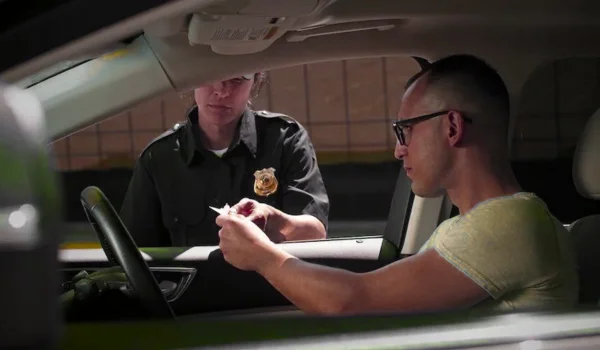
Does California Require You to Identify Yourself During a Stop?
California does not have a general stop-and-identify statute like Nevada’s law that was upheld by the U.S. Supreme Court in Hiibel v. Sixth Judicial District Court.
California courts have recognized that officers may ask a person being investigated to identify themselves. However, California’s former statute requiring a person to provide “credible and reliable” identification during a police stop was struck down by the U.S. Supreme Court as unconstitutionally vague in Kolender v. Lawson.
Can You Refuse to Give Your Name?
It depends on the circumstances.
If an officer is simply approaching you and asking questions during a consensual encounter, you generally are not automatically required to answer.
During a lawful investigative detention, officers can ask questions about your identity, and California courts have recognized that identity questions are a normal part of a Terry stop.
However, California does not have a general statute making every refusal to identify yourself during a detention a standalone crime in the same way as some traditional stop-and-ID states.
What About California Penal Code § 148?
California Penal Code § 148 makes it an offense to willfully resist, delay, or obstruct a public officer in the performance of their lawful duties.
But simply refusing to answer every police question is not automatically the same thing as violating § 148. The circumstances and nature of the person’s conduct matter.
Do You Have to Show a Physical ID Card?
Not necessarily.
There is an important difference between:
- Giving your name
- Providing identifying information
- Showing a physical driver’s license or ID card
California law does impose separate identification requirements in certain situations, particularly for drivers and specific traffic-related circumstances.
So a pedestrian should not automatically assume that being asked for a physical ID means California law requires them to carry and produce one.
What If You Are Driving?
Traffic stops are different.
If you are operating a vehicle in California, separate California Vehicle Code requirements apply. A driver generally must have the required driver’s license and provide it to an officer during a lawful traffic stop.
Therefore, California’s general pedestrian rules should not be confused with driver’s-license requirements.
Can Police Stop You Without Reasonable Suspicion?
Generally, an investigative detention requires a lawful basis, typically reasonable suspicion that criminal activity has occurred, is occurring, or is about to occur.
California courts recognize the distinction between a consensual encounter and a detention. An officer can generally approach someone and ask questions without automatically turning the encounter into a seizure.
California Stop and ID Law at a Glance
| Question | California |
| Is California a traditional stop-and-ID state? | No |
| Can police ask for your name? | Yes |
| Can police ask for ID? | Yes |
| Must every pedestrian show physical ID when asked? | No general rule |
| Can police conduct an investigative stop? | Yes, when legally justified |
| Does a traffic stop have separate ID requirements? | Yes |
| Can circumstances create an obligation to identify yourself? | Yes, in certain situations |
California vs. Texas and Florida
California is different from states such as Texas and Florida, which have statutes that can impose identification requirements in specified circumstances.
California generally does not have a broad statute requiring every person who is stopped by police to identify themselves.
That does not prevent an officer from requesting identification or asking questions during a lawful investigation.
Frequently Asked Questions
Is California a stop and identify state?
Generally, no. California does not have a broad traditional stop-and-identify statute requiring everyone who is detained to identify themselves simply because police request it.
Can police ask for your ID in California?
Yes. Police can generally request identification, even though a request is not necessarily a legal command requiring you to produce it.
Do I have to give my name to police in California?
There is no general rule requiring every person to give their name whenever police ask. The circumstances of the encounter and any applicable specific law matter.
Can you refuse to show ID in California?
A person is not generally required to produce physical identification merely because an officer asks during an ordinary pedestrian encounter. However, different rules can apply to drivers and other specific circumstances.
Can police arrest you for refusing to identify yourself?
Not simply because California is a stop-and-ID state—it generally isn’t one. However, refusing to cooperate can have legal consequences in particular circumstances, especially if other laws apply or the person actively obstructs an officer’s lawful duties.
Final Takeaway
California is generally not a traditional stop-and-identify state.
Police officers can ask for your name or identification, and identity questions can be part of a lawful investigative detention. But California does not generally have a law requiring every person stopped by police to provide identification simply because an officer requests it.
The situation is different for drivers, arrests, and circumstances governed by specific laws.
This article provides general legal information and is not legal advice. California identification requirements depend on the circumstances of the encounter and applicable state and federal law.
Author

kblog0709@gmail.com
Related Posts

Lawful Homicide: Meaning, Types, Examples & Legal Significance
- 0
- 888 words
Lawful homicide refers to a killing that the law recognizes as legally justified or otherwise not criminally punishable under the circumstances. The...
Read out all
Legal vs Lawful: What Is the Difference in Law?
- 0
- 1,129 word
Legal and lawful are closely related words. Both can describe something that is permitted by law, but they are not always used...
Read out all
Legal Age of Consent in Japan: What the Law Says in 2026
- 0
- 1,392 word
Japan’s laws on sexual consent changed significantly in 2023. The changes raised the national age threshold for sexual consent and introduced additional...
Read out all
Is Threatening Someone Illegal: What Is Considered a Threat and Is It Illegal in the U.S.? (2026)
- 0
- 1,802 word
Threatening someone can be a serious legal matter in the United States. Depending on the words used, the circumstances, the speaker’s conduct,...
Read out all
Death Threats in the U.S.: Are They Illegal, What to Do, and Possible Penalties (2026)
- 0
- 2,226 words
A death threat is a serious matter in the United States. Depending on the circumstances, making a threat to kill another person...
Read out all
Age of Consent in California: What the Law Says in 2026
- 0
- 1,648 word
The age of consent in California is 18. Under California Penal Code § 261.5, a person under 18 is considered a minor...
Read out all