- 0
- 1,200 word
Doxxing can be illegal in the United States, but it is not automatically a crime in every situation. The legality depends on what information was disclosed, how it was obtained, why it was disclosed, what the person intended, and what happened afterward.
Doxxing generally means finding and publicly sharing someone’s private or identifying information without their permission, often with the goal of intimidating, harassing, threatening, or exposing them.
What Is Doxxing?
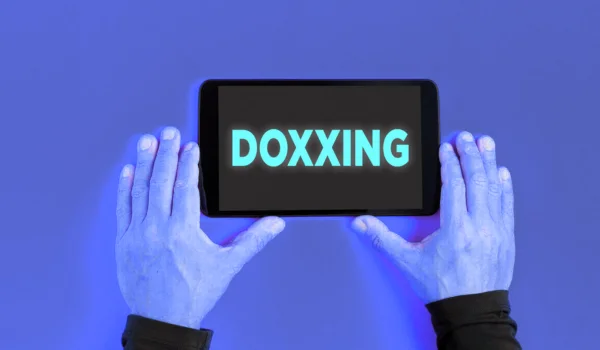
Doxxing, sometimes spelled doxing, commonly involves publishing information such as:
- Home address
- Personal phone number
- Private email address
- Workplace information
- Family members’ information
- Government identification information
- Financial information
- Other sensitive personal details
For example, someone might find a person’s home address online and post it publicly while encouraging others to contact or harass that person.
Is Doxxing a Crime?
Sometimes, yes.
There is no single federal law that simply says “doxxing is illegal” in every circumstance. However, the conduct involved in doxxing can violate federal or state criminal laws.
Depending on the circumstances, authorities may consider laws involving:
- Cyberstalking
- Harassment
- Threats
- Extortion
- Identity theft
- Fraud
- Unauthorized access to computer systems
- Intimidation
- Privacy-related offenses
Some states have also enacted laws specifically addressing the publication of personal information with the intent to facilitate harassment, threats, or violence.
When Can Doxxing Become Illegal?
Doxxing is particularly likely to create criminal liability when the person publishing the information does so as part of threatening, stalking, or targeted harassment.
For example, posting someone’s home address with a message encouraging others to “go to their house” could potentially be much more serious than simply reposting information that is already publicly available.
The person’s intent and the surrounding circumstances can be extremely important.
Is Posting a Home Address Illegal?
Not necessarily by itself.
A home address may sometimes be publicly available through property records, business records, or other sources.
However, publicly posting an address can become legally problematic when it is done to:
- Threaten someone
- Intimidate someone
- Facilitate stalking
- Encourage others to harass the person
- Facilitate violence
- Extort the person
The fact that information can be found publicly does not automatically make every use of it lawful.
Is Doxxing a Federal Crime?
There is no general federal offense simply called “doxxing.”
However, certain forms of online conduct involving personal information can potentially violate federal criminal laws.
For example, federal law prohibits certain forms of cyberstalking and online harassment, including conduct involving electronic communications that causes, attempts to cause, or is reasonably expected to cause substantial emotional distress in circumstances covered by the statute.
Other federal laws may apply when the conduct involves threats, identity theft, fraud, unauthorized computer access, or other prohibited activity.
Can Doxxing Be a State Crime?
Yes.
State laws can provide criminal penalties for conduct associated with doxxing.
Depending on the state, prosecutors may use laws covering:
- Cyberstalking
- Harassment
- Criminal threats
- Stalking
- Identity theft
- Extortion
- Invasion of privacy
- Intimidation
Some states have also created specific laws addressing the publication of personal information intended to facilitate threats or harassment.
What If the Information Is Already Public?
This is an important distinction.
Information being publicly available does not automatically mean that using it for doxxing purposes is legal.
For example, a person’s address might be available in a public property database. If someone publishes that address as part of a campaign designed to threaten or facilitate harassment, other laws could potentially apply.
Courts and prosecutors may consider the purpose, context, intent, and consequences of the disclosure.
Is Doxxing Protected by the First Amendment?
The First Amendment protects a significant amount of speech in the United States, but it does not provide unlimited protection for every use of personal information.
Depending on the circumstances, speech can fall outside First Amendment protection or be subject to valid laws when it involves things such as:
- True threats
- Certain forms of harassment
- Criminal conduct
- Intimidation
- Stalking
The constitutional analysis can be complicated, particularly when the information was lawfully obtained and concerns a matter of public interest.
Can You Sue Someone for Doxxing You?
Potentially, yes.
Depending on the state and circumstances, a person whose private information has been published may have a civil claim involving:
- Invasion of privacy
- Intentional infliction of emotional distress
- Defamation, if false statements were also published
- Harassment or stalking-related claims
- Other state-law causes of action
Whether a lawsuit is available depends heavily on the facts and the law of the relevant state.
What Should You Do If You Are Doxxed?
If someone publishes your personal information online:
- Save evidence — take screenshots and preserve URLs, usernames, dates, and messages.
- Do not engage with the person if doing so could escalate the situation.
- Report the content to the website or platform.
- Secure your accounts and change passwords if necessary.
- Contact law enforcement if the publication includes threats or creates an immediate safety concern.
- Consider speaking with an attorney if the conduct is serious or continues.
If your home address, workplace, or other sensitive information has been exposed, you should also consider what additional privacy and account-security steps are appropriate.
Is Doxxing the Same as Harassment?
Not always.
Doxxing refers primarily to the unauthorized publication or exposure of personal information.
Harassment generally involves unwanted conduct directed at a person that may cause distress, intimidation, or other harm.
Doxxing can be part of a broader harassment campaign, but the two terms do not have exactly the same meaning.
Is Doxxing the Same as Identity Theft?
No.
Identity theft generally involves using another person’s identifying information without authorization for an unlawful purpose, often involving fraud or financial activity.
Doxxing generally involves publishing or exposing someone’s personal information.
One incident could potentially involve both offenses.
Frequently Asked Questions
Is doxxing illegal in the United States?
It can be. Doxxing itself is not automatically a crime in every situation, but conduct involving threats, stalking, harassment, intimidation, identity theft, or other unlawful activity can lead to criminal charges.
Is posting someone’s address doxxing?
It can be, particularly when a person’s private identifying information is deliberately exposed without permission. Whether it is illegal depends on the circumstances and applicable law.
Can you go to jail for doxxing?
Yes, potentially. If the conduct violates a criminal law, penalties can include fines, probation, jail, or prison depending on the offense.
Is doxxing someone with public information legal?
Not necessarily. The fact that information is publicly accessible does not automatically protect someone who uses it to threaten, stalk, harass, or facilitate violence.
Can you sue someone for doxxing you?
Potentially. Depending on the circumstances and state law, civil claims may be available.
Is doxxing a federal crime?
There is no general federal crime called “doxxing,” but certain conduct associated with doxxing can violate federal criminal laws.
Final Takeaway
Doxxing is not automatically illegal simply because someone publishes personal information. However, it can become a crime when the disclosure is connected to threats, stalking, harassment, intimidation, identity theft, or other unlawful conduct.
The legality depends on the information disclosed, how it was obtained, the person’s intent, the context, and the applicable state or federal law.
This article provides general legal information and is not legal advice. Laws concerning online harassment, privacy, threats, and personal information vary by jurisdiction.
Author

kblog0709@gmail.com
Related Posts

Lawful Homicide: Meaning, Types, Examples & Legal Significance
- 0
- 888 words
Lawful homicide refers to a killing that the law recognizes as legally justified or otherwise not criminally punishable under the circumstances. The...
Read out all
Legal vs Lawful: What Is the Difference in Law?
- 0
- 1,129 word
Legal and lawful are closely related words. Both can describe something that is permitted by law, but they are not always used...
Read out all
Legal Age of Consent in Japan: What the Law Says in 2026
- 0
- 1,392 word
Japan’s laws on sexual consent changed significantly in 2023. The changes raised the national age threshold for sexual consent and introduced additional...
Read out all
Is Threatening Someone Illegal: What Is Considered a Threat and Is It Illegal in the U.S.? (2026)
- 0
- 1,802 word
Threatening someone can be a serious legal matter in the United States. Depending on the words used, the circumstances, the speaker’s conduct,...
Read out all
Death Threats in the U.S.: Are They Illegal, What to Do, and Possible Penalties (2026)
- 0
- 2,226 words
A death threat is a serious matter in the United States. Depending on the circumstances, making a threat to kill another person...
Read out all
Age of Consent in California: What the Law Says in 2026
- 0
- 1,648 word
The age of consent in California is 18. Under California Penal Code § 261.5, a person under 18 is considered a minor...
Read out all