- 0
- 1,211 word
Privacy invasion means interfering with a person’s reasonable expectation of privacy or improperly using or disclosing their private information. In the United States, privacy law can involve both civil lawsuits and criminal offenses, depending on what happened and which state law applies.
There is no single nationwide law that makes every invasion of privacy a crime. Different federal and state laws address particular types of privacy violations.
What Does Privacy Invasion Mean?
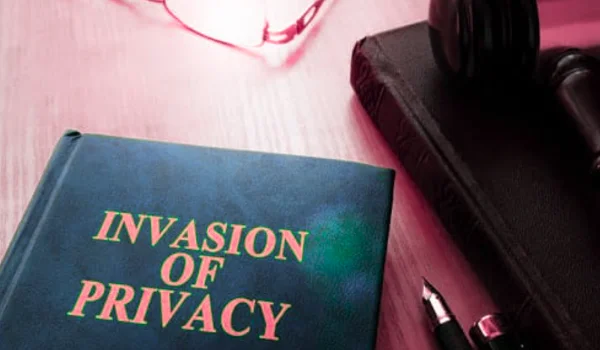
Privacy invasion generally involves conduct that intrudes into someone’s private life, personal information, communications, or private space without proper legal justification.
Examples can include:
- Secretly recording a private conversation
- Installing a hidden camera in a private area
- Sharing someone’s private information without authorization
- Accessing someone’s private account without permission
- Publishing certain private facts
- Using someone’s identity or personal information improperly
Whether something legally qualifies as an invasion of privacy depends on the specific facts and applicable law.
Is Invading Someone’s Privacy a Crime?
Sometimes.
Privacy invasion can be a criminal offense when the conduct violates a specific criminal statute.
For example, certain laws prohibit:
- Illegal wiretapping or interception of communications
- Unauthorized access to computer systems
- Secret recording in circumstances protected by law
- Certain forms of stalking or harassment
- Using hidden cameras in places where people reasonably expect privacy
Other privacy violations may primarily create a civil claim, allowing the person affected to sue for damages.
Is Privacy Invasion a Civil or Criminal Offense?
It can be either or both.
Civil privacy claim
A person may potentially sue another person or organization for certain privacy violations.
Possible remedies can include:
- Monetary damages
- Injunctive relief
- Other court-ordered remedies
Criminal privacy violation
If the conduct violates a criminal statute, the government can prosecute the person responsible.
Possible criminal penalties may include:
- Fines
- Probation
- Jail
- Prison
The specific consequences depend on the applicable law.
Common Types of Privacy Invasion
U.S. privacy law traditionally recognizes several types of civil privacy claims.
- Intrusion Upon Seclusion
This involves intentionally intruding into someone’s private affairs or private space in a way that would generally be considered highly offensive.
Examples might include:
- Secretly entering someone’s private room
- Installing a hidden camera in a bedroom
- Secretly listening to a private conversation
The person generally needs to have a legally recognized expectation of privacy.
- Public Disclosure of Private Facts
This involves publicly revealing private information about someone when the disclosure meets the legal requirements for this type of claim.
Not every disclosure of personal information qualifies.
Courts may consider factors such as whether the information was genuinely private and whether the disclosure was highly offensive and not protected by applicable privileges or First Amendment principles.
- False Light
Some jurisdictions recognize a privacy claim when someone publicly presents a person in a highly misleading or false way that would be highly offensive to a reasonable person.
False-light claims overlap with defamation but are legally distinct in jurisdictions that recognize them.
- Appropriation of Name or Likeness
This generally involves using someone’s name, photograph, likeness, or identity for an unauthorized commercial or other legally prohibited purpose.
State laws vary considerably in this area.
Is Recording Someone Without Permission an Invasion of Privacy?
It can be.
Audio recording laws vary considerably between states.
Some states generally permit recording when one party to the conversation consents, while others require consent from all parties to a private conversation.
Secretly recording someone in a location where they have a strong expectation of privacy can create additional legal problems.
Is Taking a Picture of Someone an Invasion of Privacy?
Not automatically.
Taking someone’s photograph in a public place is generally treated differently from secretly photographing someone in a private location.
For example, secretly photographing someone in a bathroom or changing room can potentially violate criminal and civil privacy laws.
The location, circumstances, purpose, and applicable state law all matter.
Is Reading Someone’s Private Messages Illegal?
Potentially.
Accessing another person’s private messages without authorization can create legal problems, particularly if someone:
- Hacks an account
- Uses another person’s password without permission
- Bypasses security controls
- Accesses a computer or account without authorization
Federal and state computer-access laws may apply depending on the circumstances.
Is Sharing Someone’s Private Information Illegal?
Sometimes.
Sharing someone’s home address, phone number, medical information, financial information, or other personal data is not automatically a crime in every circumstance.
However, disclosure can become legally problematic when it violates a specific privacy law or is part of conduct such as:
- Stalking
- Harassment
- Threatening
- Identity theft
- Fraud
- Extortion
- Doxxing-related criminal conduct
Privacy Invasion vs. Doxxing
These concepts overlap but are not identical.
Privacy invasion is a broader concept involving unlawful or actionable interference with someone’s privacy.
Doxxing generally involves intentionally exposing or publishing identifying or private information about someone, often online.
Doxxing can potentially constitute an invasion of privacy, but whether it is illegal depends on the circumstances and applicable law.
Can You Sue Someone for Invading Your Privacy?
Potentially, yes.
Depending on the state and circumstances, a person may have a civil claim based on:
- Intrusion upon seclusion
- Public disclosure of private facts
- False light
- Appropriation of name or likeness
- Other statutory privacy rights
Not every unpleasant or unwanted disclosure creates a valid lawsuit.
What Evidence Can Help in a Privacy Case?
If you believe someone has violated your privacy, preserve relevant evidence, such as:
- Screenshots
- Emails
- Text messages
- Recording or posting dates
- Website URLs
- Account names
- Photographs
- Witness information
- Copies of relevant documents
Do not illegally access another person’s accounts or devices to obtain evidence.
Frequently Asked Questions
What is privacy invasion?
Privacy invasion means unlawfully or improperly intruding into someone’s private affairs, communications, personal information, or private space.
Is privacy invasion a crime?
Sometimes. Certain privacy violations are criminal offenses, while others may create civil liability.
Can you go to jail for invading someone’s privacy?
Yes, potentially, if the conduct violates a criminal privacy, surveillance, computer-access, stalking, or other applicable law.
Can someone sue you for invading their privacy?
Yes, depending on the facts and the privacy laws of the relevant state.
Is secretly recording someone illegal?
It can be. Recording laws vary by state and depend on whether the conversation is private and whether consent is required.
Is taking pictures of someone illegal?
Generally not merely because the person does not want to be photographed, particularly in public. Secret photography in places where someone has a reasonable expectation of privacy can be very different.
Is sharing someone’s personal information illegal?
Not automatically. The legality depends on what information was shared, how it was obtained, why it was shared, and the applicable law.
Final Takeaway
Privacy invasion is not one single crime in the United States. Some privacy violations are handled through civil lawsuits, while others can result in criminal charges.
Secret recordings, hidden cameras, unauthorized account access, disclosure of private information, stalking, and certain forms of doxxing can all create legal consequences depending on the circumstances.
If you believe your privacy has been violated, preserve evidence and consider speaking with an attorney who understands the privacy laws in your state.
This article provides general legal information and is not legal advice. Privacy laws differ significantly between states and specific facts can change the legal outcome.
Author

kblog0709@gmail.com
Related Posts

Lawful Homicide: Meaning, Types, Examples & Legal Significance
- 0
- 888 words
Lawful homicide refers to a killing that the law recognizes as legally justified or otherwise not criminally punishable under the circumstances. The...
Read out all
Legal vs Lawful: What Is the Difference in Law?
- 0
- 1,129 word
Legal and lawful are closely related words. Both can describe something that is permitted by law, but they are not always used...
Read out all
Legal Age of Consent in Japan: What the Law Says in 2026
- 0
- 1,392 word
Japan’s laws on sexual consent changed significantly in 2023. The changes raised the national age threshold for sexual consent and introduced additional...
Read out all
Is Threatening Someone Illegal: What Is Considered a Threat and Is It Illegal in the U.S.? (2026)
- 0
- 1,802 word
Threatening someone can be a serious legal matter in the United States. Depending on the words used, the circumstances, the speaker’s conduct,...
Read out all
Death Threats in the U.S.: Are They Illegal, What to Do, and Possible Penalties (2026)
- 0
- 2,226 words
A death threat is a serious matter in the United States. Depending on the circumstances, making a threat to kill another person...
Read out all
Age of Consent in California: What the Law Says in 2026
- 0
- 1,648 word
The age of consent in California is 18. Under California Penal Code § 261.5, a person under 18 is considered a minor...
Read out all