- 0
- 985 words
Sometimes. In the United States, recording someone without their permission can be legal in some situations and illegal in others. The answer depends mainly on what you are recording, where the recording takes place, whether you are part of the conversation, and the law of the state involved.
Federal law generally permits recording a conversation when at least one party consents, but states can impose stricter requirements.
Is Recording Someone Without Permission a Crime?
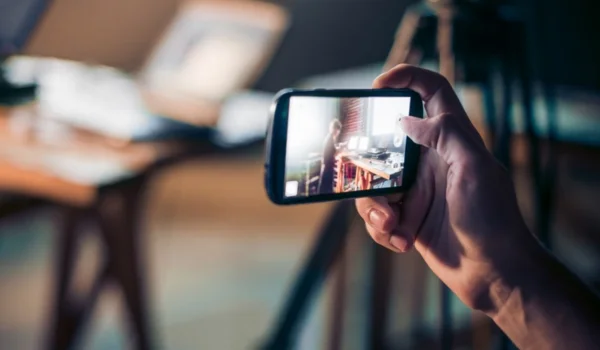
It can be a crime.
If you secretly record a private conversation in a state that requires all parties to consent, you could potentially face criminal charges.
Some states also allow the person who was recorded to file a civil lawsuit for damages.
One-Party Consent vs. All-Party Consent
U.S. recording laws generally fall into two categories.
One-Party Consent States
In these states, you can generally record a conversation if you are a participant and you consent to the recording.
Federal law follows this one-party-consent approach in most circumstances.
All-Party Consent States
Some states require everyone participating in a private conversation to consent before it can legally be recorded.
States commonly identified as all-party-consent jurisdictions include:
- California
- Connecticut
- Florida
- Illinois
- Maryland
- Massachusetts
- Montana
- New Hampshire
- Pennsylvania
- Washington
Michigan has more complicated rules, and some other states have different requirements depending on whether the conversation is in person or over the phone.
What If You Are Part of the Conversation?
This is an important distinction.
Suppose you are talking to someone on the phone and secretly record the conversation.
In a one-party-consent state, this will generally be lawful because you are one of the participants.
In an all-party-consent state, secretly recording the private conversation may violate state law.
What If You Are Not Part of the Conversation?
The situation can be much more serious.
For example, secretly placing a recording device in another room to capture two people having a private conversation may violate federal or state wiretap/eavesdropping laws.
Generally, recording a private conversation that you are not a participant in and have no consent to record presents significant legal risks.
Can You Record Someone in Public?
Often, yes, but not always.
Recording someone in a public place is generally different from secretly recording a private conversation.
For example, recording video at a public event where people are openly visible is usually very different from placing a hidden microphone inside someone’s private home.
Recording laws often consider whether the people involved had a reasonable expectation of privacy.
However, state laws vary, so the fact that something happens in public does not automatically make every type of recording legal.
What About Recording Video Without Permission?
Video recording and audio recording are not always governed by the same rules.
A hidden camera in a public place may be treated differently from a hidden camera in a bedroom or bathroom.
Every state has laws concerning certain forms of hidden-camera recording, particularly where there is an expectation of privacy.
Recording someone in a bathroom, bedroom, changing room, or similar private location can create serious criminal and civil liability.
Can You Record a Phone Call Without Telling the Other Person?
It depends on the states involved.
If the applicable law requires only one-party consent and you are participating in the call, you may generally record it without telling the other person.
But if the call involves someone located in an all-party-consent state, the legal analysis becomes more complicated. Interstate calls can create conflicts between state recording laws, so obtaining consent from everyone is the safest approach.
Can You Go to Jail for Secretly Recording Someone?
Yes, potentially.
Illegal recording can result in criminal penalties under applicable state or federal law.
Depending on the jurisdiction and circumstances, consequences can include:
- Criminal charges
- Fines
- Jail or prison
- Civil damages
- Attorney’s fees
- Exclusion of the recording from court
The exact penalties depend on the applicable statute.
Can You Be Sued for Recording Someone?
Yes.
Some recording laws allow a person whose private conversation was illegally recorded to bring a civil lawsuit.
Therefore, illegal recording can potentially create both criminal and civil liability.
Is It Legal to Record Someone Threatening You?
This can be an important exception, but do not assume that recording a threatening conversation is automatically legal.
Some laws contain exceptions or defenses involving law enforcement, criminal activity, or other circumstances. The specific state law matters.
If someone is threatening you, preserve evidence safely and consider reporting the threat rather than assuming you can secretly record every interaction.
Frequently Asked Questions
Is it illegal to record someone without their permission?
It can be. Recording laws vary by state and depend on whether the conversation is private and whether consent is legally required.
Can I record a conversation I’m part of?
Usually yes in a one-party-consent state, but potentially not without everyone else’s consent in an all-party-consent state.
Is recording someone in public illegal?
Usually not merely because the person did not give permission, particularly when there is no reasonable expectation of privacy. However, the circumstances and state law matter.
Can I record a phone call without telling the other person?
It depends on the applicable state laws. Interstate calls can be particularly complicated.
Can you go to jail for recording someone?
Yes, potentially, if the recording violates an applicable criminal law.
Can someone sue you for recording them?
Yes. Some state recording laws provide civil remedies in addition to criminal penalties.
Final Takeaway
Recording someone without their permission is not automatically illegal in the United States. Federal law generally follows a one-party-consent rule, but several states require consent from all parties to a private conversation.
The safest approach is to get permission before recording a private conversation, particularly when you are unsure which state’s law applies.
This article provides general legal information and is not legal advice. Recording laws vary by state and can be particularly complicated for interstate phone calls or recordings.
Author

kblog0709@gmail.com
Related Posts

Lawful Homicide: Meaning, Types, Examples & Legal Significance
- 0
- 888 words
Lawful homicide refers to a killing that the law recognizes as legally justified or otherwise not criminally punishable under the circumstances. The...
Read out all
Legal vs Lawful: What Is the Difference in Law?
- 0
- 1,129 word
Legal and lawful are closely related words. Both can describe something that is permitted by law, but they are not always used...
Read out all
Legal Age of Consent in Japan: What the Law Says in 2026
- 0
- 1,392 word
Japan’s laws on sexual consent changed significantly in 2023. The changes raised the national age threshold for sexual consent and introduced additional...
Read out all
Is Threatening Someone Illegal: What Is Considered a Threat and Is It Illegal in the U.S.? (2026)
- 0
- 1,802 word
Threatening someone can be a serious legal matter in the United States. Depending on the words used, the circumstances, the speaker’s conduct,...
Read out all
Death Threats in the U.S.: Are They Illegal, What to Do, and Possible Penalties (2026)
- 0
- 2,226 words
A death threat is a serious matter in the United States. Depending on the circumstances, making a threat to kill another person...
Read out all
Age of Consent in California: What the Law Says in 2026
- 0
- 1,648 word
The age of consent in California is 18. Under California Penal Code § 261.5, a person under 18 is considered a minor...
Read out all